Standardizing 10,000+ Work Instructions Across Noble's Offshore Fleet

Noble Corporation is a leading global offshore drilling contractor for the oil and gas industry. With a global fleet of ~40 rigs, Noble combines exceptional people, assets and technology to be the First Choice Offshore for its employees, clients and investors. To deliver this vision, Noble needed to standardize the way it works across the organization. IK-CADDI customized its Document Generation Hub enterprise application for this challenge resulting in a complete update in a matter of weeks, not years.

Challenge

Operating multiple offshore drilling rigs requires consistent, accurate, and up-to-date work instructions to ensure safe, reliable, and sustainable outputs. Following acquisitions and the integration of legacy organizations, Noble was managing multiple versions of work instructions to execute the same tasks across its fleet. Even though critical knowledge was distributed across known OEM manuals, industry standards, and internal documentation, harmonizing and updating these work instructions was difficult and costly at scale.

Noble faced two significant operational challenges.  

  1. Maintenance procedures varied across legacy companies, resulting in inconsistent documentation and inefficient maintenance planning.  
  1. The organization required a complete overhaul of its work instructions to establish a single, standardized approach across multiple rigs, assets, and historical operating practices. Updating over ten thousand documents manually would have required extensive engineering resources, significant time, and considerable cost while increasing the likelihood of operational and quality issues.

Solution

InterKnowlogy customized IK-CADDI Document Generation Hub as an AI solution to automate the generation of both maintenance procedures and standardized work instructions. CADDI was configured to integrate information from OEM documentation, industry standards, and Noble's internal procedures to produce accurate, consistent, and compliant work instructions for every rig.

The AI-generated procedures were produced in minutes, providing a scalable foundation for ongoing document management and operational excellence.

Impact

The implementation of IK-CADDI fundamentally transformed Noble's documentation development process.

Key outcomes included:

  • Automated generation of standardized maintenance procedures across ~40 rigs.
  • Integration of OEM documentation, industry standards, and internal company procedures into a single trusted source.
  • Generated over 10,000 standardized work instructions in weeks rather than years.
  • Improved quality, consistency and reliability of operational documentation at scale across multiple authors and subject matter experts.
  • A projected effort equivalent to 25 full-time employees required for a conventional documentation update, delivering an estimated 20:1 return on investment (ROI).
  • A scalable AI-driven solution that can be extended to additional maintenance and operational documentation across the organization.

By leveraging IK-CADDI, Noble replaced a labor-intensive documentation process with an intelligent, scalable solution that improves standardization, accelerates document generation and update, reduces operational costs, and supports safe, reliable and sustainable operations across its global fleet.
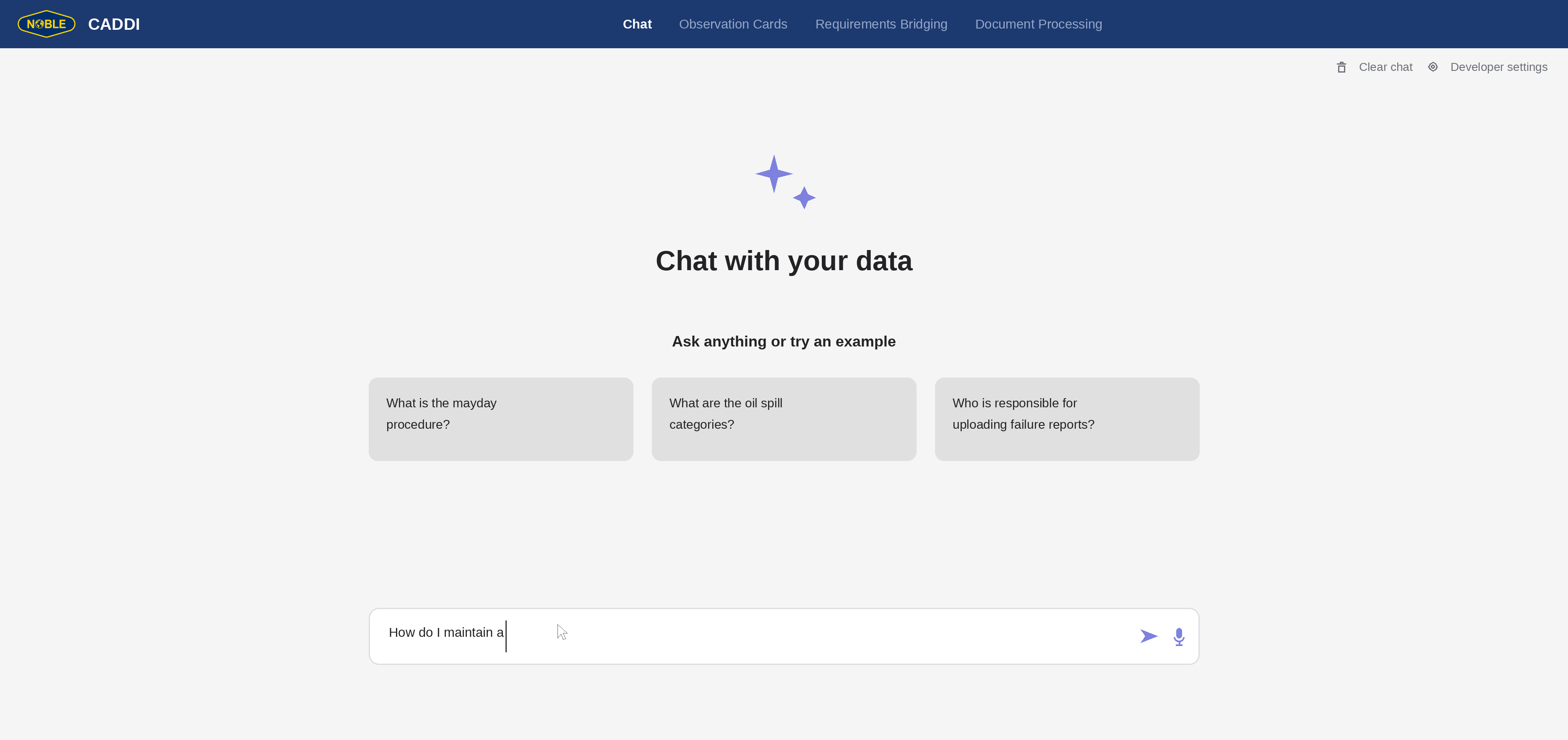
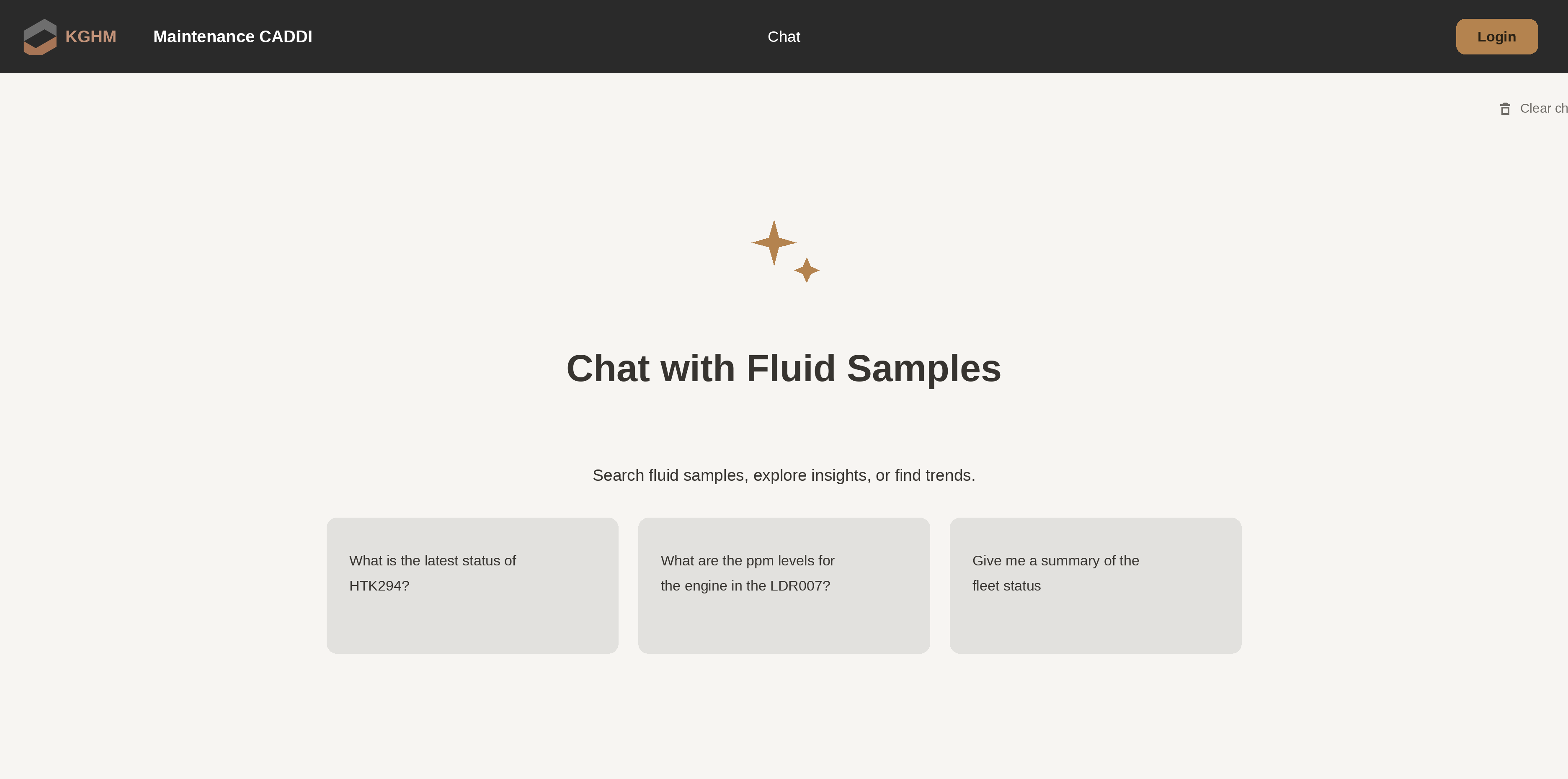
To learn how the IK-CADDI Document Generation Hub can be standardized for your organization request a demo with InterKnowlogy.  

More Selected Projects

Maximizing Well Unit Performance at UEC with Real-Time Data Visualization

Uranium Energy Corp (UEC) deployed an Operations Command Center powered by InterKnowlogy, replacing manual investigations and daily reports with real-time visibility across its Wyoming mining operations. The result: faster issue detection and targeted corrective action to keep production running at peak efficiency.

Proactive Traffic Management to Enhance Safety at Mining Sites

Across the global mining industry, vehicle collisions, vehicle runovers (smaller vehicles) or rollovers take place once every three days. The implications across health & safety, operations and asset management can be extremely severe.
